
Alta Labs Router Login
Alta Labs devices use a web-based admin panel for configuration. Default credentials are usually printed on a sticker on the device. This page also includes troubleshooting tips if the login page does not load.
This is not your router’s admin page.
To open the real router interface, enter 192.168.1.1 directly in your browser’s address bar while connected to the same Wi-Fi or Ethernet network.

If the page does not open, make sure you are connected to the correct router and that the address is entered without extra spaces or search terms.
Quick Access
Log in to your Alta Labs router
- 1
Make sure your device (computer, phone, or tablet) is connected to the router — either via Wi-Fi or with an Ethernet cable plugged directly into the router.
- 2
Open any web browser and type http://192.168.1.1 into the address bar. Press Enter. If the page does not load, try 192.168.0.1 or 192.168.100.1 instead.
- 3
Wait for the login page to appear. This may take a few seconds.
- 4
Enter the login credentials. If you have never changed them, check the sticker on the back of the router or the documentation from your Internet provider.
- 5
After logging in, you will see the router dashboard where you can manage all settings.
Change the Wi-Fi name on a Alta Labs router
- 1
Log in to the router admin panel as described above.
- 2
Open the Wi-Fi or wireless settings. Depending on the model, the menu may be called "WLAN", "Wireless", or "Wi-Fi".
Example path (may vary by model): the site you want to configure in the upper right hand corner.
- 3
Find the field for the network name (often labeled SSID or Network Name) and enter the new name.
- 4
Click Save or Apply to confirm the changes.
- 5
Your devices will need to reconnect using the new network name.
Change the Wi-Fi password on a Alta Labs router
- 1
Log in to the router admin panel.
- 2
Open the Wi-Fi security settings. Look for a section called "Security", "Wireless Security", or "WLAN" in the menu.
Example path (may vary by model): the site you want to configure in the upper right hand corner.
- 3
Enter a new Wi-Fi password in the password or passphrase field. Choose a strong password with at least 12 characters, mixing letters, numbers, and symbols.
- 4
Click Save or Apply to confirm the changes.
- 5
All connected devices will need to reconnect using the new password.
ⓘModel and firmware differences
The exact menu names and layout may vary depending on your Alta Labs router model and firmware version. Labels such as "WLAN", "Wireless", "Network", "Security", or "Wi-Fi" may look different on your device.
If the login page does not open
Having trouble accessing your Alta Labs router settings? Connection issues, rejected credentials, and slow-loading admin pages are common problems. Below are the most frequent issues and how to fix them quickly.
⚠192.168.1.1 is not reachable
Make sure your device is connected directly to the router, preferably via Ethernet cable. Double-check the address for typos. Try restarting the router and wait about 30 seconds before trying again.
⚠Login credentials are not accepted
The default credentials may have been changed by you or your ISP. Check the sticker on the back of the router for the current password. If it was changed and you cannot remember it, a factory reset will restore the defaults.
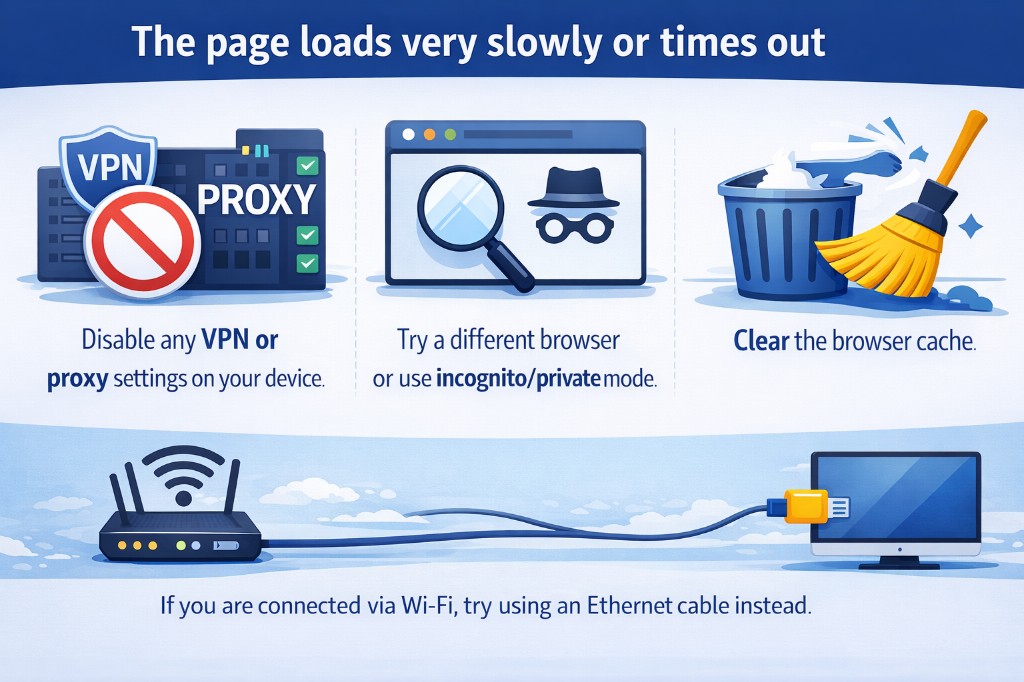
⚠The page loads very slowly or times out
Disable any VPN or proxy settings on your device. Try a different browser or use incognito/private mode. Clear the browser cache. If you are connected via Wi-Fi, try using an Ethernet cable instead.
⚠Wrong IP address?
Some devices use a different default address. Try these alternatives: 192.168.0.1, 192.168.100.1, 192.168.1.254. You can also find the correct gateway address in the network settings of your operating system.
⚠How to reset the router to factory settings
Locate the small reset button on the back of the router (you may need a paperclip). Press and hold it for at least 10 seconds until the LEDs start blinking. The router will restart with the factory defaults, including the original login credentials.
Example screens
Interface screenshots for this device will be added soon.